
Essential Questions to Ask Your Home Inspector Before Buying a Property
Buying a home is one of the biggest investments most people make. A thorough home inspection can reveal hidden problems that might cost you thousands later. Knowing what to ask your home inspector helps you get the most from the inspection and make a confident decision. This guide covers the key questions to ask so you understand the condition of the property and avoid surprises.

What Does the Inspection Cover?
Start by asking what areas the inspection will include. Most inspections cover:
Structural components like foundation, walls, and roof
Electrical systems
Plumbing
Heating and cooling systems
Interior elements such as windows, doors, and floors
Appliances if included in the sale
Clarify if the inspector will check for pests, mold, or radon, as these often require specialized tests. Knowing the scope helps you understand what you will learn and what might need additional inspections.
How Experienced Are You and Are You Licensed?
Experience matters when it comes to spotting issues that could affect safety or value. Ask how long the inspector has worked in the field and if they hold any certifications or licenses. A licensed inspector follows state or local standards and usually carries insurance, which protects you if something is missed.
Can You Explain the Report in Detail?
A home inspection report can be full of technical terms and photos. Ask if the inspector will walk you through the report in person or over a call. Understanding the findings clearly helps you prioritize repairs and negotiate with the seller. Request examples of past reports to see how detailed and clear they are.
What Are the Most Serious Problems You Found?
Once the inspection is underway or complete, ask the inspector to highlight the most critical issues. These might include:
Foundation cracks or settling
Roof damage or leaks
Electrical hazards
Plumbing leaks or outdated pipes
Signs of water damage or mold
Knowing the severity and potential repair costs helps you decide if the home is worth buying or if you should ask for repairs or price reductions.
How Urgent Are the Repairs?
Not all problems require immediate action. Ask which repairs need urgent attention and which can wait. For example, a small roof leak might cause major damage if ignored, while cosmetic issues like chipped paint can be delayed. This helps you plan your budget and timeline.
Can You Identify Potential Safety Hazards?
Safety hazards can include faulty wiring, carbon monoxide risks, or unstable stairs. Ask the inspector to point out anything that could endanger occupants. This information is crucial for protecting your family and avoiding liability.

Are There Signs of Past Water Damage or Mold?
Water damage can lead to mold growth and structural problems. Ask the inspector if they found any signs of leaks, stains, or mold. If mold is suspected, request a specialized mold inspection. Understanding moisture issues helps prevent health problems and costly repairs.
How Long Will the Inspection Take?
Knowing the inspection duration helps you plan your day and attend the process if you want. Most inspections take 2 to 4 hours depending on the home size and condition. Ask if you can join the inspector during the walkthrough to ask questions on the spot.
What Maintenance Should I Expect After Buying?
A good inspector can offer advice on ongoing maintenance to keep the home in good shape. Ask about seasonal tasks, system servicing, and signs to watch for that indicate problems. This guidance helps you protect your investment over time.
Can You Recommend Specialists for Further Inspections?
Sometimes issues require experts like electricians, plumbers, or structural engineers. Ask if the inspector can recommend trusted professionals for follow-up inspections or repairs. This saves time and ensures you get reliable help.
What Happens If You Miss Something?
Mistakes can happen. Ask if the inspector offers any guarantees or insurance coverage for missed defects. Some inspectors provide limited warranties or will return to re-inspect after repairs. Knowing this protects you from unexpected costs.
A home inspection is a vital step in buying a property. Asking the right questions ensures you understand the home's condition and can negotiate wisely. Use this list to prepare for your inspection and make a confident purchase decision. Remember, a thorough inspection today can save thousands tomorrow. Take notes during the inspection, and don’t hesitate to ask for clarification on anything unclear.

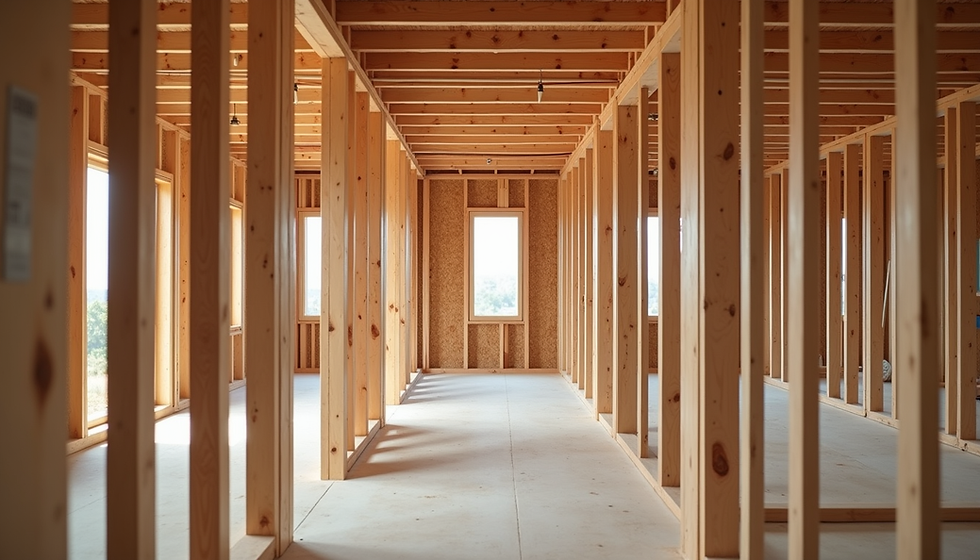

Mold can grow in various materials, including wood, drywall, carpet, and insulation. During mold inspections, all susceptible materials are carefully examined to assess contamination levels.